Getting to know Raven Psychology
We're an Alberta-based practice priding ourselves in professionalism, care, and connection.
Below, a little about how we work and who you'd be working with.
Meet the team

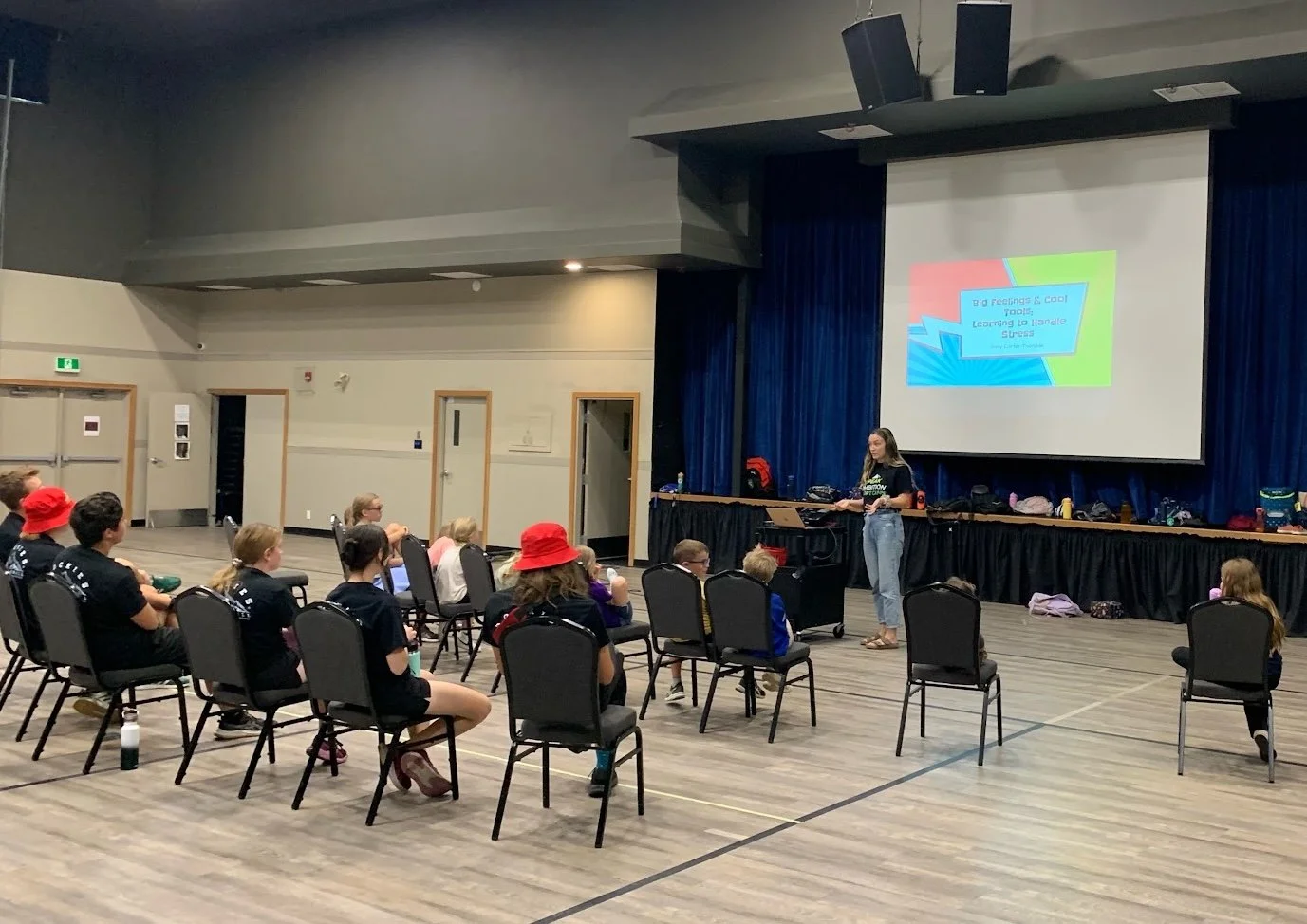
Emily Carter-Tivendale
Registered Psychologist, M.C.
Emily is drawn to the work of helping people understand their emotions - each individual journey looks different. Through her own therapy and specialized training after her graduate program, she's focused her practice on helping clients work through overwhelming emotions and relationships with others. She works with adults too, but has a soft spot for adolescents and children, especially children managing anxiety or big, hard-to-regulate feelings.
"Starting therapy can be daunting. I try to meet clients wherever they find themselves in the process."
Background
Emily's path has included therapeutic campus-based care, out-of-school programs, and teaching art classes, alongside volunteer work in youth mentorship, learning support, and crisis response for the Kids Help Phone/Crisis Text Line. Art has always run through her work, and she often brings art-based interventions into session where it fits.
How she works
Emily draws mainly from Cognitive Behavioural Therapy (CBT), Dialectical Behavioural Therapy (DBT), Internal Family Systems (IFS), and art-based approaches where applicable. She sees children (5+), teens, and adults on an individual basis. For younger clients especially, the early sessions are often about building a safe, familiar relationship before anything else.
Common reasons people reach out
Emily believes therapy can help almost anyone, and welcomes people who aren't sure where to start.
Why "Raven"?
In ancient Greek mythology, ravens were tied to Apollo, and to prophecy. Seeing one was often taken as a sign to look past what's obvious and pay attention to what's underneath. Across a lot of traditions, the raven carries a similar thread: a keeper of hidden knowledge, tied to wisdom, intuition, and change.
In Pacific Northwest Coast cultures, the Raven shows up as creator, trickster, and transformer, or symbolizes creation, transformation, and knowledge. The Raven also symbolizes the unknown, and shows that every person sees the world in a different way.
Ready to talk?
Send a note and we'll find a time that works. Prefer to book directly? Use the button in the menu above.