Raven Psychology
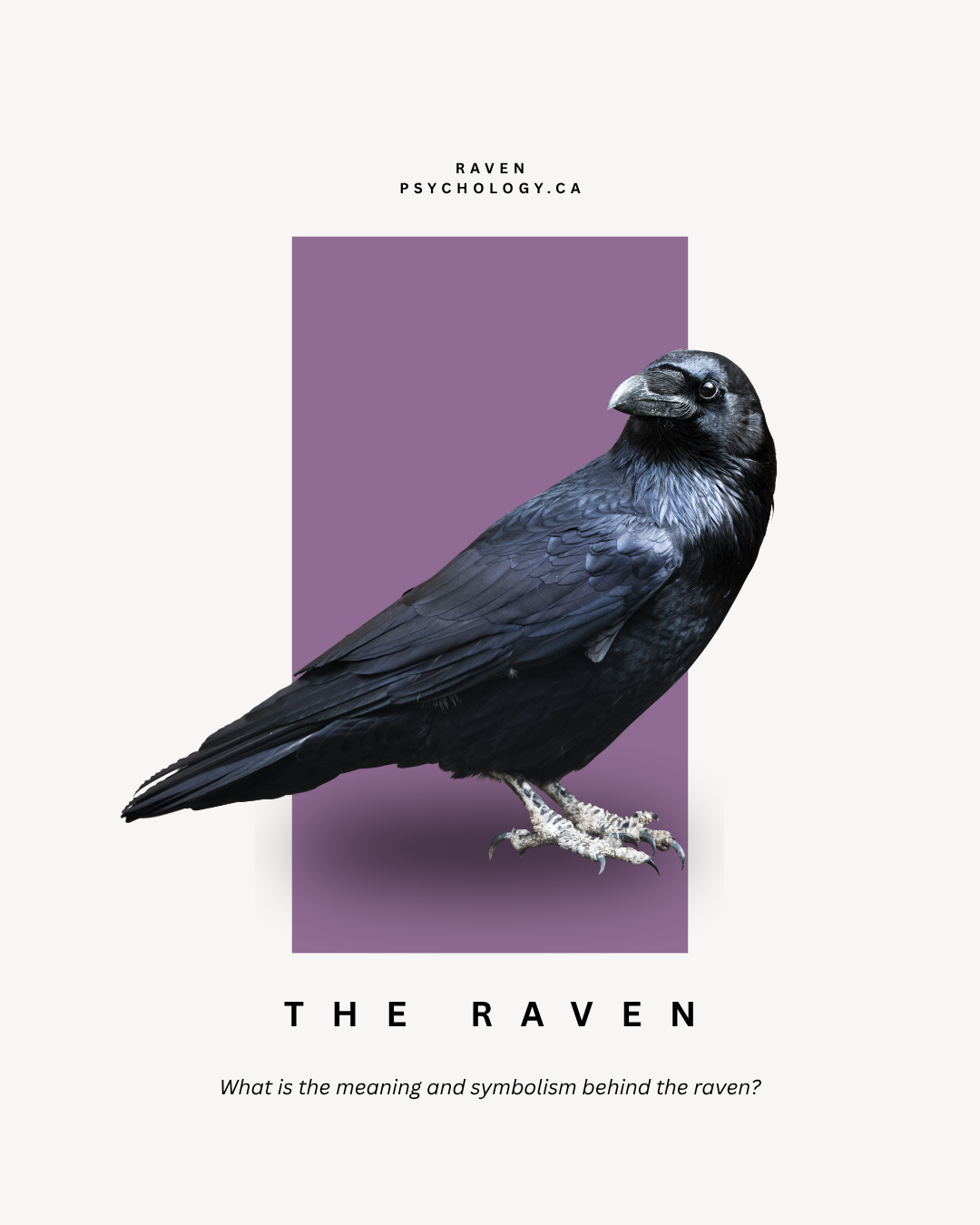
Ravens have complex, and sometimes contradictory, symbolism. However, the name was chosen intentionally. Across cultures, the Raven is viewed as a messenger, trickster, and guide. Omen and protector are also associated terms. The duality of Raven symbolism is seen in the trickster vs. transformation tropes. On one hand, Raven represents “intelligence and creativity, transformation and change, curiosity and the bringing of light and knowledge.” On the other hand, the Raven is known to be “mischievous” or “self serving” (Cedar Hill Long House). In Celtic myth, the raven was linked to the goddess Morrígan, a harbinger of battle and prophecy. In Norse legend, Odin’s ravens Huginn and Muninn (translating to “thought” and “memory” respectively) brought him information. (Thorn & Claw). In Greek mythology, Raven is the messenger of the Sun Gods, Helios and Apollo, as well as carrying association with Athene, Hera, Cronos, and Aesculapius. In Northern Europe, pagan Danes and Vikings flew the raven banner on their ships, in Odin’s honour and as tokens of good luck. Houses where ravens nested were also considered a sign of good luck. One of Odin’s many titles is Hrafna-Gud, the God of the Ravens. Odin’s daughters, the Valkyres, were sometimes said to take the shape of ravens. (Druidry.org)
A raven in your dream is said to signify profound transformation, hidden wisdom and guidance, and the mysteries of the unseen world. The raven is said to guide the individual towards introspection, in addition to “an acknowledgment of the deeper forces at play within your psyche and external reality.” (Mirror Within) The raven is also a common symbol in many origin stories told by the Indigenous people of the Northwest Coast. The raven is often viewed as a powerful trickster, and known to different First Nations under various names. (Canadian Encyclopedia)
“In many cultures Raven also represents deep magic, the mystery of the unknown, death and transformation, creation, healing, wisdom, protection, and prophecy.” (Druidry.org)